 | Blog
| Blog
| Blog
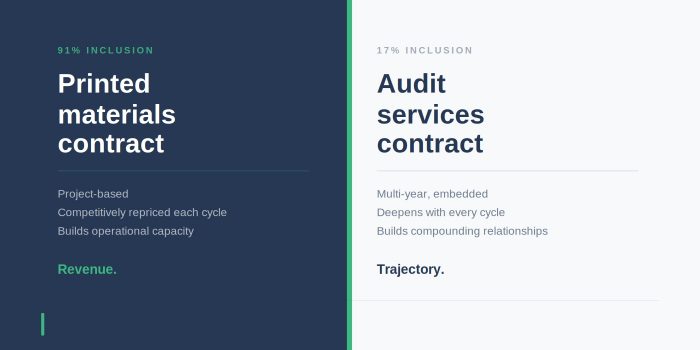
When we run supplier prequalifications, the inclusion data comes out automatically because ownership type is a required field at onboarding. What we see consistently surprises procurement teams – not in the aggregate, but in the pattern beneath it. Women-owned and youth-owned businesses are dominant in some categories. Office cleaning: 100%
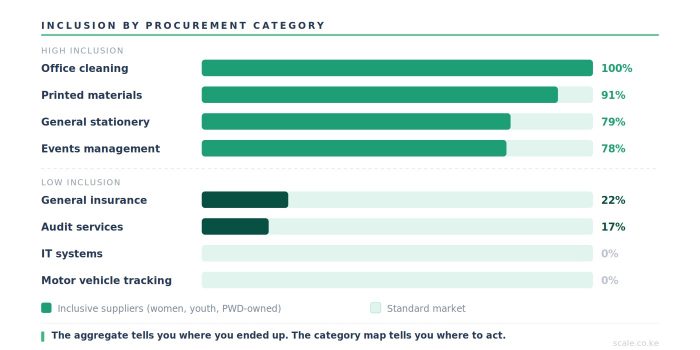
Every organisation that has ever run a supplier diversity programme knows its aggregate number. Or thinks it does. The percentage of spend that reached women-owned suppliers last year. The share of the supplier base that is youth-owned. These numbers are quoted in board presentations, included in ESG disclosures, and repeated
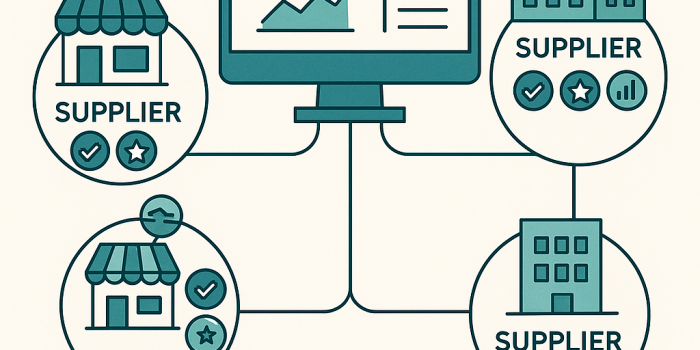
We believe that supplier prequalification should be a long-term, living process that gives buyers continuous visibility & suppliers ongoing opportunities.
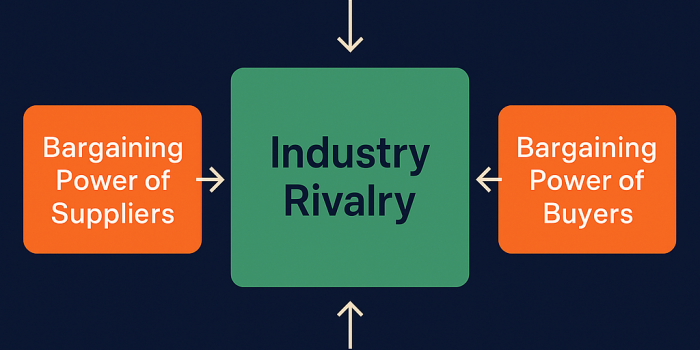
In today’s procurement environment, knowing your supplier is no longer enough, you need to understand their market. Who controls pricing? Are there substitutes? Can new entrants disrupt your supply chain? These are strategic questions that Porter’s Five Forces helps answer — and at Scale, we’ve embedded this thinking to help
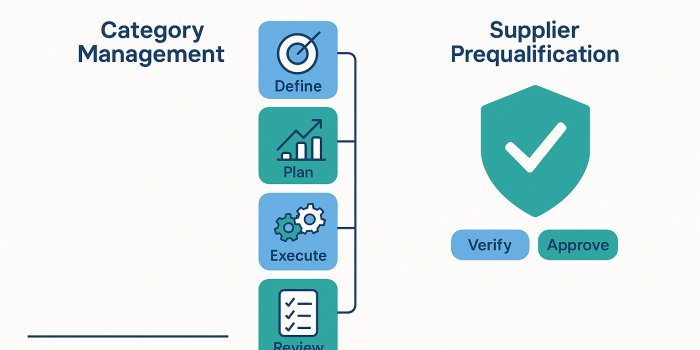
In procurement, structure is everything. Without it, organizations risk overspending, inefficient sourcing, and working with the wrong suppliers. One of the most effective ways to bring structure and strategy to procurement is through Category Management—and when combined with Supplier Prequalification, it becomes a powerful engine for cost control, compliance, and
Connect and work with verified Suppliers and trusted Buyers on the same platform