 | Blog
| Blog
| Blog

Procurement and supply chain functions are inherently complex, involving multiple stakeholders, large budgets, regulatory oversight, and tight timelines. Because of this high-stakes environment, procurement leaders often feel pressured to ensure that nothing goes wrong. That pressure, while understandable, can manifest as micromanagement — a leadership style that prioritizes control over
Welcome new suppliers is a golden rule for resilient supply chains—yet hesitation stalls boardrooms and procurement talks. Why? Because onboarding new vendors feels less like a strategic upgrade and more like stepping into a minefield: untested partnerships, logistical headaches, and the gnawing fear of chaos. So, procurement teams cling

In modern supply chain management, the terms procurement and sourcing are often used interchangeably—but they’re not the same thing. Knowing the difference isn’t just semantics; it’s the key to smarter, more strategic operations. Procurement ensures goods and services are acquired efficiently and on time. Sourcing is about identifying and building
In the procurement and supply chain management world, timing isn’t just important—it’s everything. Whether you’re sourcing critical supplies, managing supplier performance, or responding to fluctuating demand, understanding how time flows through your processes can mean the difference between smooth operations and missed opportunities. At Scale, we believe procurement teams should
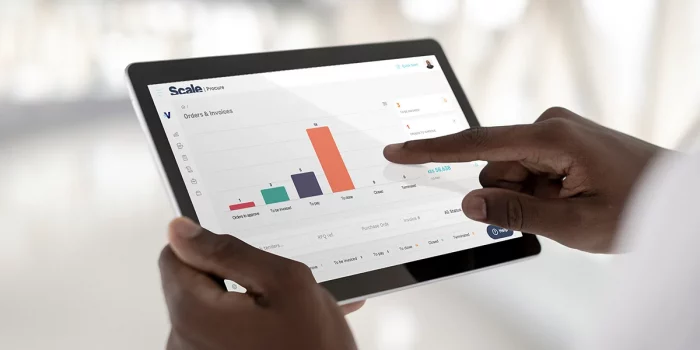
In procurement, Low Leverage typically refers to situations where the buying organization has limited power or influence over a supplier.
Connect and work with verified Suppliers and trusted Buyers on the same platform