The Modern Procurement Playbook: From Manual to Strategic
Organizations need compliance, auditability, and policy enforcement therefore, modern procurement must balance control and speed.



For many growing organizations, procurement still “works.” Purchase requests get approved, suppliers get paid and operations move forward. But beneath the surface, procurement is often one of the biggest hidden constraints on growth.
Manual workflows, fragmented spend data, slow approvals, and reactive teams may be manageable at a small scale. As organizations grow, however, these same processes become bottlenecks that drain time, leak money, and expose the business to unnecessary risk.
Modern procurement is not about buying faster. It is about aligning people, processes, and data so procurement actively supports business strategy.
The Procurement Reality Today
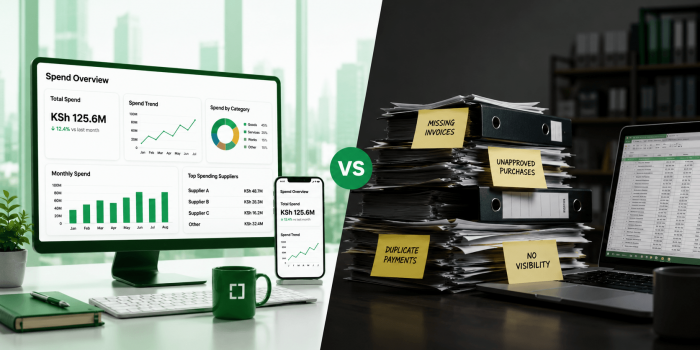
Across many organizations, procurement looks roughly the same. Requests move through email chains, spreadsheets, and sometimes paper. Approvals are slow and opaque. Spend data is fragmented across departments. Procurement teams spend most of their time firefighting instead of planning.
On the surface, nothing appears broken, but this model does not scale. As transaction volumes increase and supplier ecosystems grow more complex, manual procurement quietly becomes one of the biggest operational drags on the business.
The Hidden Cost of Manual Procurement
The real impact of manual procurement is often underestimated because the costs are not always visible on a balance sheet.
Time leakage is the first warning sign. Requisitions sit in inboxes waiting for approvals. Sourcing cycles stretch because quotes are scattered across emails. Procurement teams spend a significant portion of their time chasing status updates instead of doing strategic work. Faster competitors gain an advantage simply by moving quicker.
Cost leakage follows closely. Departments bypass procurement to “move faster,” creating duplicate vendors and inconsistent pricing. Without visibility into total spend, volume discounts are missed and renegotiations happen reactively. In many organizations, 15–30% of spend goes effectively unmanaged.
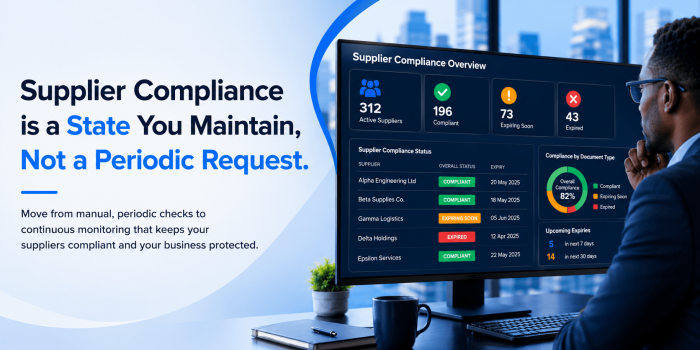
Risk exposure grows quietly. Email approvals leave weak audit trails. Compliance is applied inconsistently across departments. Supplier risk is not actively monitored. When audits or regulatory reviews happen, gaps suddenly become visible.
Decision blindness is the final outcome. Finance teams struggle to answer basic questions about spend without manual spreadsheet work. Leadership lacks visibility into supplier performance or procurement exposure. Procurement insights rarely make it into the boardroom.
What feels manageable today becomes a serious constraint tomorrow.
From Transactional to Strategic Procurement
The difference between manual and strategic procurement is not technology alone; it is also intent. Manual procurement is reactive as it heavily relies on disconnected tools and focuses primarily on cost control. This also means that teams tend operate in firefighting mode most of the time.
On the flip side, Strategic procurement is planned and it operates from a single source of truth. The decisions made take into consideration value, risk and performance, and not just price. At its core, strategic procurement aligns people, process, and data around the goals of the business and allows leadership uses procurement data to guide broader business outcomes.
The Three Stages of Modern Procurement
Most organizations move through procurement maturity in three stages.
Stage 1: Manual – Procurement happens across email, spreadsheets, and paper. There is no central system, no consistent audit trail, and limited visibility. Teams spend more time searching for information than making decisions.
Stage 2: Digitised – Tools are introduced, but they operate in silos. Data lives in pockets across systems that do not integrate. Approvals still rely on manual handoffs. Visibility improves slightly but remains fragmented.
Stage 3: Strategic – Procurement is fully integrated from requisition to payment. Data flows through a single system. Policies are enforced automatically. Leadership has real-time visibility into spend and performance. Decisions are backed by data, not assumptions.
Technology enables this shift, but alignment is what makes it effective.
What Enables Strategic Procurement
Strategic procurement rests on a combination of technology and process discipline comes together to create procurement functions that support growth instead of slowing it down. The key elements are as follows:
- A unified platform brings every stage of procurement into one connected ecosystem, eliminating silos and ensuring consistent data flow.
- Intelligent automation removes repetitive, rule-based tasks like approvals, invoice matching and compliance checks – this improves speed while maintaining control.
- Actionable insights turn raw procurement data into real-time intelligence. Finance and leadership gain visibility into trends, risks, and opportunities when decisions still matter.
- Collaborative supplier relationship management strengthens partnerships by tracking performance, managing risk, and improving communication across the supplier lifecycle.
Procurement That Works for the Business
Organizations need compliance, auditability, and policy enforcement therefore modern procurement must balance control and speed. They also need agility, transparency and fast decision-making one cannot come at the expense of the other.
Scale is designed to bring the entire procurement lifecycle into a single, connected system. From requisition and approval to supplier management and payment, every step is structured, visible and traceable. This approach:
- Eliminates data silos across departments
- Supports growing, multi-department organizations
- Maintains strong governance without slowing execution
- Turns procurement data into usable insight for leadership
- Procurement becomes a system that works for the business, not against it.
- Procurement Should Help the Business Move Smarter
Procurement should not be a bottleneck that teams work around. It should be a strategic function that helps organizations move with clarity and confidence.
As organizations scale, the choice becomes clear. Continue managing procurement manually and accept increasing friction, risk, and cost. Or move toward an integrated, intelligent approach that supports growth.
The modern procurement playbook is not about replacing people with technology. It is about giving teams and leaders the structure, visibility, and insight they need to make better decisions.
Source: “The Modern Procurement Playbook,” by Scale.